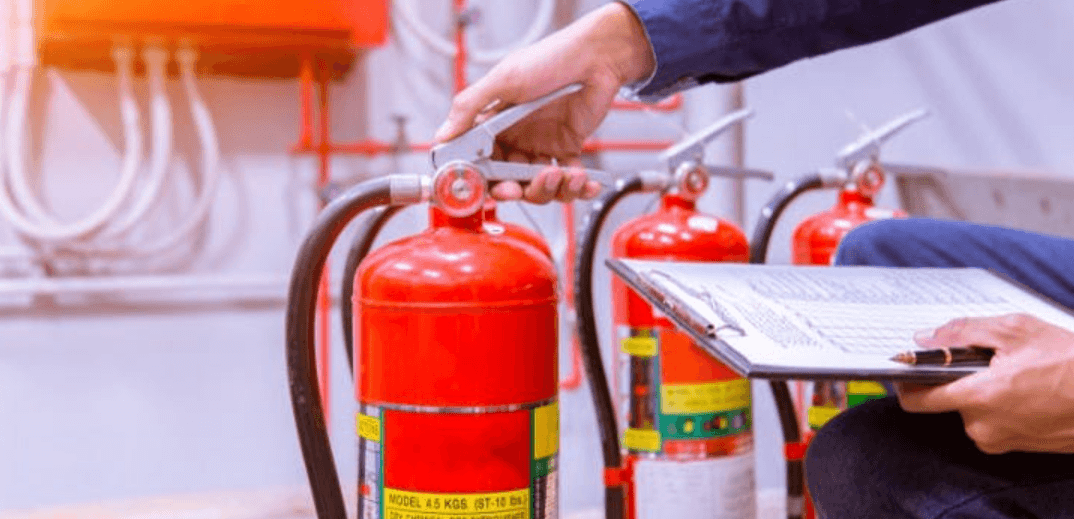
Why Fire Risk Assessment Is Essential for Landlords
A Fire Risk Assessment is a critical responsibility for landlords who own or manage residential properties, particularly buildings with shared or communal areas. Fires in residential settings can spread quickly, placing tenants at serious risk and causing extensive property damage. A proper Fire Risk Assessment helps landlords identify hazards early and put effective safety measures in place.
Landlords have a legal and moral duty to ensure that tenants can live safely. Failure to carry out a Fire Risk Assessment can result in enforcement action, fines, invalidated insurance, and long-term reputational damage.
Which Residential Properties Require Fire Risk Assessment
Not all residential properties are treated the same under fire safety law. A Fire Risk Assessment is generally required for:
- Apartment blocks with shared areas
- Houses in multiple occupation
- Sheltered and supported housing
- Student accommodation
- Residential buildings with shared staircases or corridors
Single-family private homes occupied by one household are usually exempt, but the moment areas are shared, a Fire Risk Assessment becomes mandatory.
Common Fire Hazards in Residential Properties
Residential Fire Risk Assessment often reveals hazards that are overlooked during routine maintenance. Electrical faults remain a leading cause of fires, especially in older properties with outdated wiring or overloaded sockets.
Other common hazards include portable heaters, cooking appliances, smoking materials, candles, and poor waste management. In shared buildings, fire risks can increase due to inconsistent tenant behavior and misuse of communal spaces.
Storage of personal belongings in corridors and stairwells is another frequent issue that can obstruct escape routes and fuel fires.
Identifying People at Risk in Residential Buildings
A Fire Risk Assessment must consider all occupants of the building. This includes tenants, visitors, contractors, and cleaning staff. Some residents may be more vulnerable, such as elderly tenants, people with disabilities, or families with young children.
Language barriers, unfamiliarity with fire procedures, and differing mobility levels can all affect how individuals respond in an emergency. These factors must be considered when planning evacuation procedures and fire safety measures.
Fire Safety Measures Landlords Must Provide
Landlords are responsible for ensuring that appropriate fire safety measures are installed and maintained. This typically includes fire detection and alarm systems in communal areas, emergency lighting, fire doors, and clear escape routes.
Fire doors must be properly fitted, self-closing, and free from damage. Emergency lighting should be tested regularly to ensure visibility during power failures. Signage should clearly indicate escape routes and fire action instructions.
Regular inspections and maintenance are essential to keep these systems effective.
Recording and Reviewing Fire Risk Assessment Findings
Documentation plays a key role in residential Fire Risk Assessment. Landlords should keep clear records of identified hazards, actions taken, and future improvement plans. These records provide evidence of compliance and are often requested by enforcing authorities.
Fire Risk Assessments must be reviewed regularly, especially after building alterations, changes in occupancy, or fire-related incidents. Keeping assessments up to date demonstrates proactive fire safety management.
Tenant Communication and Fire Safety Awareness
A Fire Risk Assessment is only effective if tenants understand fire safety procedures. Landlords should communicate clearly with residents about evacuation routes, alarm systems, and what to do in the event of a fire.
Providing fire safety information packs, notices in communal areas, and clear signage helps reinforce safe behavior. Encouraging tenants to report hazards also supports ongoing risk reduction.
See Also: The Content Creator’s Edge: Using AI to Master Meme Marketing
Using Professional Fire Risk Assessors for Residential Properties
Many landlords choose to use professional assessors for Fire Risk Assessment, particularly for larger or more complex buildings. A competent assessor understands residential fire risks and legal requirements, helping landlords meet their obligations with confidence.
Professional assessments can also identify hidden risks that may be missed during informal inspections, reducing long-term liability.
FAQs About Fire Risk Assessment for Landlords
Do landlords need a Fire Risk Assessment for every property?
Only properties with shared or communal areas require a Fire Risk Assessment.
Who enforces Fire Risk Assessment compliance for landlords?
Fire authorities and local councils are responsible for enforcement.
Can tenants request to see a Fire Risk Assessment?
Yes, tenants have the right to request fire safety information.
How often should residential Fire Risk Assessments be reviewed?
At least annually or after significant changes.
Are smoke alarms part of Fire Risk Assessment?
Yes, alarms are a key fire detection measure.
Can landlords be prosecuted for non-compliance?
Yes, serious breaches can lead to prosecution and fines.
Conclusion
A Fire Risk Assessment for landlords and residential properties is essential for protecting tenants and meeting legal responsibilities. By identifying hazards, maintaining safety systems, and keeping assessments up to date, landlords can significantly reduce fire risks and ensure safe living environments. Proactive fire safety management benefits both tenants and property owners alike.