Building a successful salon requires more than professional staff and attractive interior design. Operational efficiency plays an important role in delivering quality customer experiences. One critical element often overlooked during salon planning is pedicure chair plumbing.
Pedicure stations rely heavily on water systems to function properly. Plumbing infrastructure directly affects service quality, maintenance requirements, customer satisfaction, and long-term operational costs. Whether opening a new salon or renovating an existing space, understanding plumbing requirements helps business owners avoid expensive mistakes.
Modern beauty businesses increasingly focus on operational reliability, and plumbing planning remains an essential part of that process.
Why Plumbing Matters in Pedicure Stations
Pedicure equipment differs from traditional salon furniture because water systems form a major part of service delivery.
Poor plumbing design can create problems such as:
- Drainage issues
- Water leakage concerns
- Increased maintenance expenses
- Service interruptions
- Reduced equipment efficiency
Reliable plumbing infrastructure helps businesses maintain smoother operations while improving customer experience.
Long-term planning reduces future repair challenges and operational disruptions.
Key Components of Pedicure Chair Plumbing Systems
Salon plumbing systems include several important elements that work together.
Understanding these components helps businesses make informed installation decisions.
Water Supply Connections
Pedicure chairs require consistent water flow to support daily services.
Proper supply systems help improve:
- Service reliability
- Water pressure stability
- Equipment functionality
Planning water access during salon design stages often prevents future installation complications.
Drainage Infrastructure
Drainage performance directly affects salon efficiency.
Improper drainage systems may increase maintenance concerns and sanitation challenges.
Effective drainage planning supports:
- Faster water removal
- Cleaner workstations
- Improved operational consistency
Reliable drainage systems contribute to stronger long-term performance.
Plumbing Access Placement
Pipe positioning influences maintenance accessibility and layout flexibility.
Poor infrastructure placement can complicate repairs later.
Thoughtful planning supports easier servicing and improved salon functionality.
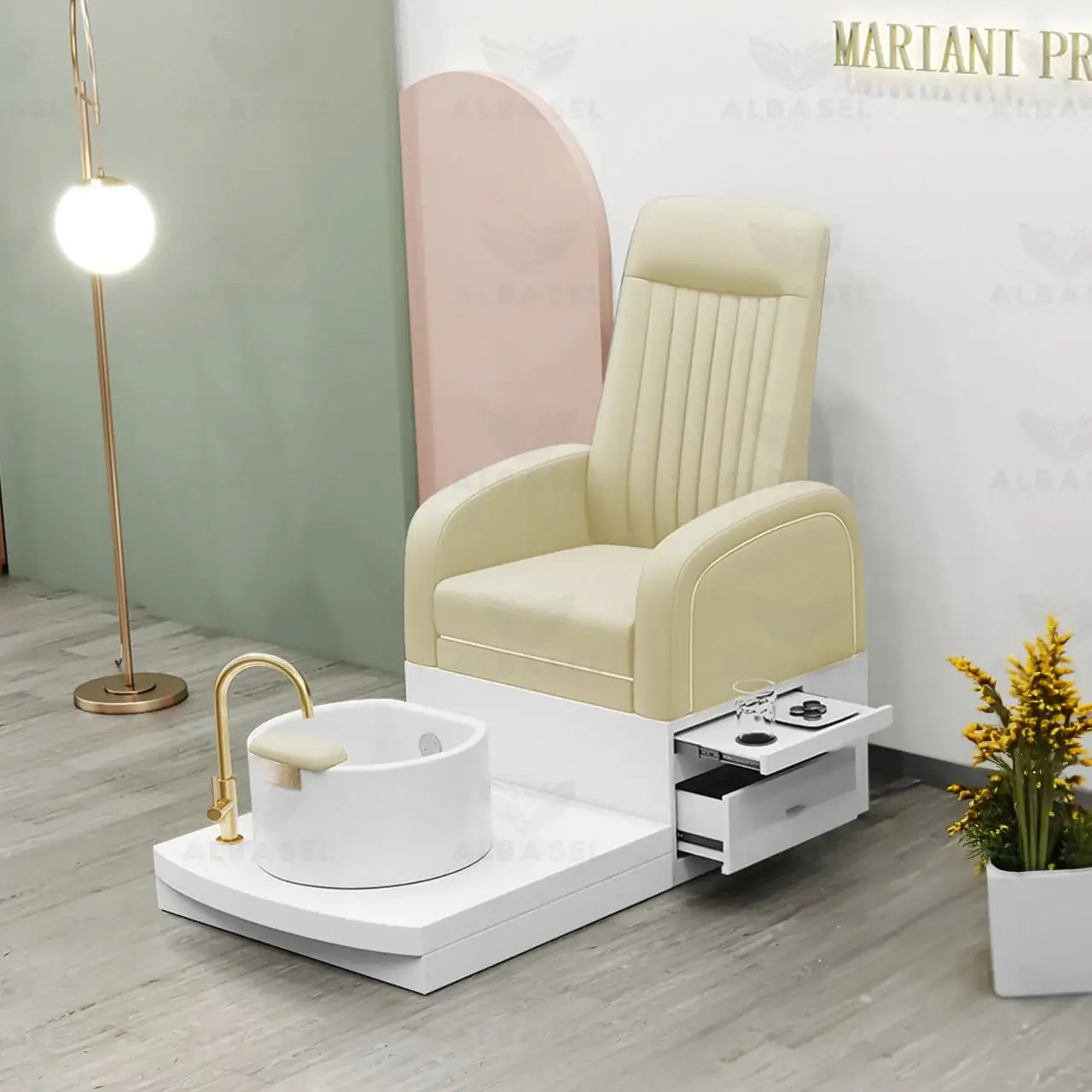
Businesses evaluating infrastructure needs frequently review pedicure chair plumbing considerations before selecting salon equipment layouts.
Common Plumbing Configurations Used in Salons
Different business layouts require different installation strategies.
Several plumbing approaches remain common.
Floor Plumbing Systems
Many commercial salons use floor plumbing solutions.
This setup often supports:
- Cleaner visual appearance
- Better pipe concealment
- Improved equipment positioning
Floor installations frequently align with premium salon aesthetics.
Wall-Based Plumbing Installations
Some businesses choose wall-access plumbing systems.
Wall configurations may provide flexibility depending on building structure.
Business owners often evaluate both functionality and future maintenance accessibility before making decisions.
Flexible Infrastructure Planning
Salon growth plans may influence plumbing decisions.
Flexible layouts help businesses adapt to future equipment changes or service expansions.
Long-term planning strengthens operational scalability.
Common Plumbing Mistakes Salon Owners Should Avoid
Infrastructure planning mistakes can create ongoing business challenges.
Avoiding common errors helps improve operational performance.
See also: How to Improve Business Productivity
Ignoring Future Maintenance Access
Hidden infrastructure may complicate repairs.
Easy servicing access supports:
- Faster maintenance
- Reduced downtime
- Lower long-term costs
Maintenance planning remains important during installation stages.
Overlooking Drainage Capacity
Daily salon operations place heavy demands on drainage systems.
Underestimating capacity requirements may increase future maintenance concerns.
Reliable system sizing improves performance.
Delaying Infrastructure Planning
Some businesses prioritize equipment purchases before finalizing infrastructure requirements.
Early planning helps reduce renovation costs and installation delays.
Infrastructure decisions should remain part of initial salon development strategies.
Industry Trends Influencing Salon Infrastructure Design
Beauty industry expectations continue evolving.
Several trends increasingly influence infrastructure planning.
Luxury Customer Experiences
Modern customers expect premium beauty environments.
Reliable infrastructure supports:
- Cleaner aesthetics
- Better service reliability
- Higher customer confidence
Operational quality contributes directly to customer perception.
Sustainability Considerations
Water efficiency increasingly influences salon planning decisions.
Businesses often prioritize solutions supporting resource optimization and responsible operations.
Long-term sustainability continues shaping purchasing priorities.
Technology Integration
Modern salon equipment increasingly includes advanced functionality.
Infrastructure planning now often supports future technology upgrades.
Businesses preparing for long-term growth frequently prioritize adaptable infrastructure solutions.
How Better Infrastructure Supports Long-Term Business Growth
Salon operations depend heavily on reliable foundational systems.
Strong infrastructure planning contributes to:
Operational Stability
Reliable systems reduce service interruptions.
Consistent performance improves customer experiences.
Lower Long-Term Costs
Preventive planning often reduces maintenance expenses.
Efficient systems improve long-term ownership value.
Improved Customer Satisfaction
Operational reliability strengthens business reputation.
Customers increasingly value professional and well-maintained service environments.
Infrastructure quality directly influences customer perception.
FAQ
1. Why is plumbing important for pedicure chairs?
Plumbing supports water supply, drainage performance, and operational reliability.
2. Can poor plumbing affect salon operations?
Yes. Plumbing problems may increase maintenance costs and disrupt customer service.
3. Should salon owners plan plumbing before equipment installation?
Yes. Early planning improves layout efficiency and reduces future renovation concerns.
Conclusion
Pedicure chair plumbing remains an essential part of building efficient salon environments. Reliable infrastructure improves operational performance, reduces maintenance challenges, and supports stronger customer experiences. Businesses that prioritize thoughtful plumbing planning often create stronger long-term foundations while improving overall salon functionality and service quality.