Artificial leather has become a popular alternative to genuine leather in industries ranging from fashion to automotive and furniture. Known for its versatility, durability, and cost-effectiveness, artificial leather materials provide the look and feel of real leather without the ethical and environmental concerns. Understanding what artificial leather is made of and its key benefits is essential for making informed choices in design and manufacturing.
What Are Artificial Leather Materials?
artificial leather materials are synthetic fabrics designed to replicate the texture, appearance, and flexibility of genuine leather. They are typically made from polyurethane (PU), polyvinyl chloride (PVC), or a combination of both. These materials are coated over a textile backing to create a durable, flexible, and visually appealing finish.
Key Features of Artificial Leather
- Durability: Resistant to wear, scratches, and stretching.
- Cost-Effective: Provides a leather-like look at a fraction of the price.
- Eco-Friendly Options: Avoids animal cruelty and can use recycled materials.
- Variety: Available in different textures, colors, and finishes.
- Low Maintenance: Easy to clean and maintain compared to genuine leather.
Benefits of Using Artificial Leather Materials
Artificial leather materials offer several advantages for both manufacturers and end users:
- Ethical and Sustainable: No animals are harmed in production.
- Water and Stain Resistant: Easier to clean and maintain than genuine leather.
- Customizable: Can be produced in a wide range of textures, colors, and patterns.
- Durable: With proper care, artificial leather can last for years.
- Versatile Applications: Suitable for furniture, automotive interiors, fashion, and accessories.
Common Types of Artificial Leather
- PU Leather: Polyurethane leather offers a soft feel and flexibility. It is widely used in clothing, furniture, and automotive interiors.
- PVC Leather: Polyvinyl chloride leather is more rigid and durable, ideal for heavy-use applications like office furniture and public seating.
- Composite Leather: Combines layers of PU and PVC for enhanced durability and texture.
Applications of Artificial Leather Materials
Artificial leather is used across multiple industries due to its versatility and durability:
- Furniture Upholstery: Sofas, chairs, and office furniture benefit from easy cleaning and durability.
- Automotive Interiors: Seats, dashboards, and trims in cars, buses, and trains.
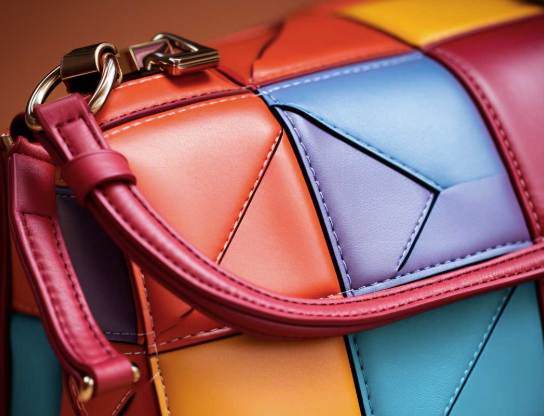
- Fashion Accessories: Handbags, shoes, belts, and jackets.
See also: Cash Flow Command: 6 Smart Tools (and 1 Design Trick) That Keep Your Business Liquid
- Marine and Outdoor Uses: Waterproof options for boats, yachts, and outdoor furniture.
PU Leather vs PVC Leather
| Feature | PU Leather | PVC Leather |
|---|---|---|
| Texture | Softer, more flexible | Rigid, less flexible |
| Durability | Moderate | High |
| Breathability | Better | Limited |
| Applications | Fashion, furniture, automotive | Heavy-use furniture, outdoor |
| Environmental Impact | Less harmful | Higher chemical content |
FAQs About Artificial Leather Materials
1. What is faux leather made of?
Faux leather is typically made from polyurethane (PU) or polyvinyl chloride (PVC) coated over a textile backing to create a durable and leather-like material.
2. Can artificial leather materials be used outdoors?
Yes, specially treated waterproof options like marine-grade artificial leather are suitable for outdoor or semi-outdoor use.
3. How do I maintain artificial leather?
Clean with a damp cloth and mild soap. Avoid harsh chemicals and excessive heat to maintain its texture and durability.
Conclusion
Artificial leather materials provide a versatile, durable, and ethical alternative to genuine leather. From furniture and automotive interiors to fashion accessories, these materials offer a wide range of applications while remaining cost-effective and easy to maintain. Whether you choose PU or PVC leather, understanding the composition and proper care ensures long-lasting performance and aesthetics. For more insights into high-quality synthetic options, explore this resource to make informed choices for your projects.