Cold season brings a predictable wave of sniffles, sore throats, and general fatigue, and while no single habit makes you immune to every bug going around, a handful of consistent, simple practices genuinely support your body’s natural defenses. None of these require special products or a drastic lifestyle overhaul.
Think of immune support as a collection of small daily habits rather than one dramatic fix. Consistency across weeks and months matters far more than any single “superfood” or supplement.
Why Winter Is Hard on Your Body’s Defenses
Shorter days, less sunlight, drier indoor air, and more time spent in close quarters with other people all combine to make winter a season where your immune system has more work to do. Understanding why the season is harder makes it easier to target your habits toward what actually helps.
Prioritize Sleep Above Almost Everything Else
Sleep is when your body does much of its repair and immune regulation work, and consistently cutting it short leaves you more susceptible to whatever is circulating around your household or workplace. Aim for a consistent bedtime and wake time rather than wildly varying hours from one night to the next.
A dark, cool room and a wind-down routine free of screens in the final half hour before bed both make a measurable difference in sleep quality, not just how many hours you technically spend in bed.
Eat a Wide Variety of Colorful Produce
Different fruits and vegetables provide different vitamins, minerals, and plant compounds, so variety matters more than any single ingredient. Aim to include something orange, something green, and something red or purple on your plate over the course of a normal day.
Stay Hydrated Even When You’re Not Thirsty
Indoor heating dries out the air significantly during winter months, which can dry out the mucous membranes that form part of your body’s first line of defense. Keep a water bottle within reach throughout the day, and don’t wait until you feel thirsty to drink, since thirst is already a sign you’re a little behind.
Get Some Daylight Every Day You Can
Even a short walk outside during daylight hours helps regulate your internal clock and supports healthy vitamin D levels, both of which play a role in overall wellbeing during darker months. A brisk fifteen-minute walk at lunch is often more realistic than a longer commitment, and it still counts.
Keep Moving, Even Gently
Regular, moderate movement supports circulation and overall health without needing to be intense. A daily walk, some light stretching, or a short home workout routine is enough to matter, and it’s far more sustainable through a busy winter than an ambitious gym plan you’re unlikely to keep up.
Manage Stress Deliberately
Chronic stress takes a real toll on the body over time, and winter’s combination of shorter days, holiday obligations, and less outdoor time can compound it. A few minutes of deliberate breathing, a short walk, or simply stepping away from a stressful task for a moment all help more than people expect.
Support Your Gut With Fermented Foods
Yogurt, kefir, sauerkraut, and other fermented foods introduce beneficial bacteria that play a supporting role in overall health. Adding a small serving a few times a week is a simple, low-effort way to diversify what you’re regularly eating.
Warm, Comforting Foods and Drinks Worth Keeping on Hand
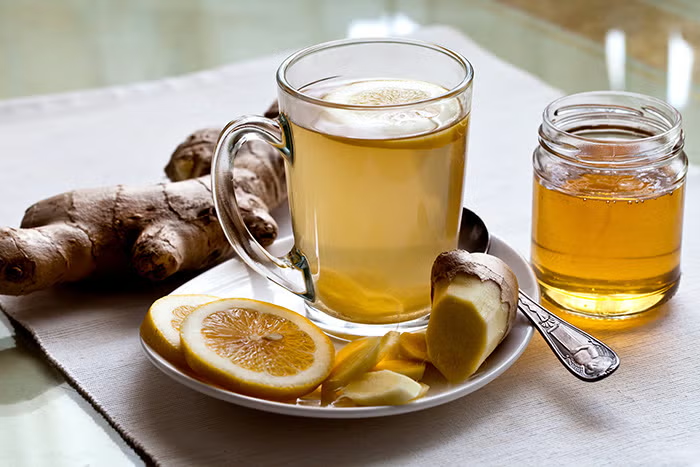
Warm drinks and foods aren’t just comforting during cold weather, they also make it easier to stay hydrated when a cold glass of water feels unappealing. A warm tea with lemon and honey is a classic for a reason, and if you want to go a step further, learning how to make hot honey gives you a versatile pantry staple that works equally well drizzled over toast, stirred into tea, or added to a warm bowl of soup on a cold evening.
Keeping a few simple, warming staples on hand makes it easier to reach for something comforting and genuinely nourishing rather than defaulting to less helpful options when you’re feeling run down.
Don’t Skip Your Regular Checkups
Routine care, including any vaccines your doctor recommends for the season, remains one of the most effective tools available, and no amount of good habits fully replaces professional medical guidance. Talk to your healthcare provider about what’s appropriate for your specific situation.
Build a Simple Evening Wind-Down Routine
A consistent routine before bed, even something as simple as dimming the lights and having a cup of tea, signals to your body that it’s time to slow down. This small habit compounds over weeks into meaningfully better rest, which supports everything else on this list.
Limit Alcohol and Added Sugar During Cold Season
Both can interfere with sleep quality and general wellbeing when consumed in excess, particularly during a season already working against good rest. This doesn’t mean cutting either out entirely, just being a little more mindful during the months your body could use the extra support.
Layer Up and Stay Genuinely Warm
Being consistently cold forces your body to spend energy on temperature regulation that could otherwise go toward other functions. Dressing in layers, keeping your extremities warm, and not underestimating how cold a “quick errand” outside can feel all make a small but real difference over the course of a season.
Consider Your Indoor Air Quality
Beyond humidity, general indoor air quality plays a role in overall respiratory comfort during months when windows stay closed and heating systems run constantly. Simple steps like changing furnace filters regularly and airing out rooms briefly on milder days can make a noticeable difference over the course of a season.
A small air purifier in bedrooms or commonly used living spaces is a worthwhile investment for households that spend a lot of time indoors during the coldest stretches of the year.
Maintain Social Connection
Isolation tends to increase during winter months, and maintaining regular social contact, even brief phone calls or a weekly gathering, supports overall wellbeing in ways that go beyond the purely physical. Mental and physical health are more connected than people often assume, especially during darker, colder months.
Keep Your Kitchen Stocked With Immune-Friendly Staples
Having ingredients for a quick, nourishing soup or stew on hand means you’re less likely to reach for less helpful convenience food on the days you’re feeling run down. Frozen vegetables, canned beans, and a good stock base are all worth keeping in steady supply through the colder months.
A well-stocked pantry removes the friction of needing to make a grocery run when you’re not feeling your best, which makes it far more likely you’ll actually eat something nourishing rather than skipping meals or reaching for whatever’s easiest.
Give Yourself Grace During an Illness
Even with every good habit in place, you’ll likely still catch something at some point during the season, and that’s completely normal. Resting properly when you do get sick, rather than pushing through a full schedule, actually shortens most minor illnesses and prevents them from lingering longer than necessary.
See also: Why Payroll Outsourcing Companies Help Businesses Improve Efficiency
Bottom Line
No single habit on this list is a magic fix, but together they add up to real, meaningful support for your body through the hardest months of the year. Start with the ones that feel most doable, and build from there rather than trying to change everything at once.