Water damage rarely announces itself. By the time you notice a stain on the ceiling or a soft spot in the floor, the damage behind it may have been spreading for weeks — or months. Chicago homeowners face particular risks: spring thaw sends snowmelt toward foundations, aging pipe infrastructure runs beneath some of the city’s oldest neighborhoods, and dense clay soil traps water against basement walls rather than letting it drain. Knowing what to look for early can save you thousands.
1. Musty Odors in the Basement or Behind Walls
If a room in your home smells like a wet dog or an old library book — even after you’ve cleaned it thoroughly — that odor is almost certainly mold or mildew feeding on hidden moisture. In Chicago’s older two-flats and bungalows, this smell often originates inside wall cavities or below finished basement floors, where water has been accumulating long before it became visible. Don’t mask the smell with air fresheners and move on. A persistent musty odor is your home trying to tell you something is wrong where you can’t see it.
2. Bubbling, Peeling, or Warped Paint and Wallpaper
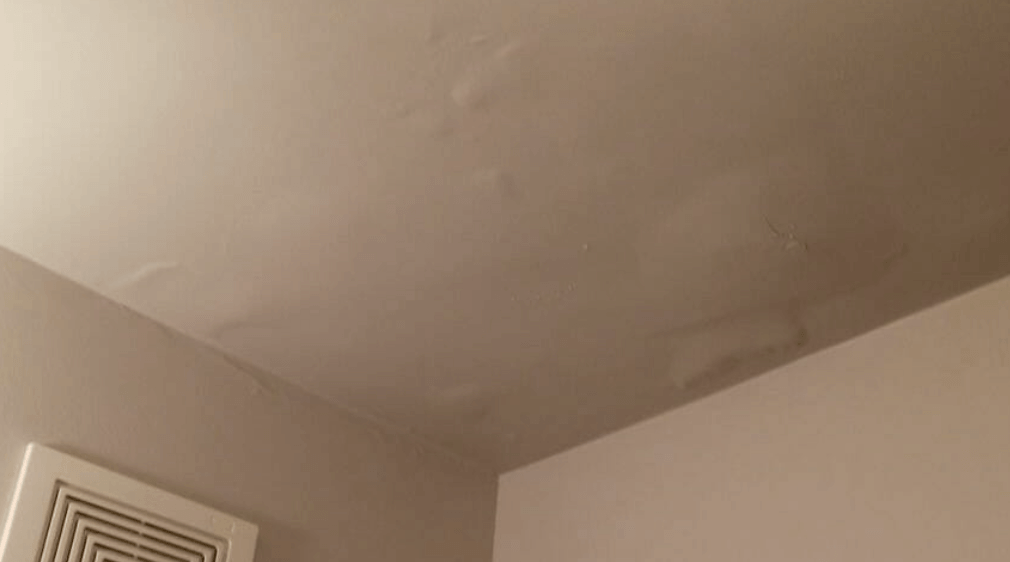
Paint and wallpaper bond tightly to dry surfaces. When moisture works its way into drywall or plaster from the other side, the bond breaks — and you’ll start to see bubbling, peeling edges, or warped sections that seem to come out of nowhere. This is especially common on exterior-facing walls and in bathrooms where plumbing runs inside the wall. A small blister of paint near a window or around a bathtub surround isn’t just a cosmetic flaw. It’s a signal that water is present where it shouldn’t be.
3. Unexplained Spikes in Your Water Bill
If your household usage habits haven’t changed but your water bill suddenly jumped, you may have a slow leak somewhere in your plumbing — possibly one feeding moisture into a wall, subfloor, or the ground beneath your slab. In Chicago, where water rates have increased significantly over the past decade, a billing spike is easy to dismiss as a rate change. Check your bill carefully. If your usage in gallons has gone up without explanation, that water is going somewhere, and it’s worth finding out where before it finds you first.
4. Soft Spots or Staining on Ceilings and Floors
Yellow or brown rings on a ceiling are the most recognizable sign of water intrusion from above — a leaking roof, an overflowing upstairs bathroom, or a pipe that drips slowly between floors. But floors deserve equal attention. If a section of hardwood feels springy underfoot, or tiles near a toilet or dishwasher have started to shift, the subfloor beneath may already be saturated and beginning to rot. These soft spots can deteriorate quickly and often indicate structural material — not just finish surfaces — has been compromised.
5. Visible Efflorescence on Basement Walls
That white, chalky powder you sometimes see streaking down a concrete or brick basement wall has a name: efflorescence. It forms when water moves through masonry, dissolves naturally occurring salts, and deposits them on the surface as it evaporates. Efflorescence itself isn’t structurally dangerous, but its presence is direct evidence that water is regularly passing through your foundation walls. In Chicago’s clay-heavy soil, hydrostatic pressure after heavy rain or snowmelt can drive that moisture movement aggressively. If you’re seeing white streaks, water is finding a path in — and it will continue to do so until that path is addressed.
What to Do If You Spot These Signs
First, document everything with photos and video before touching anything — your insurance company will want a clear record of conditions as you found them. Avoid the temptation to paint over stains or replace a single tile; DIY cosmetic fixes rarely address the moisture source and can trap water in ways that accelerate structural damage. Call a licensed professional rather than guessing at the scope. Companies that specialize in Chicago water damage restoration — including Redefined Restoration — have the moisture meters, thermal imaging, and structural drying equipment to assess what’s actually happening inside your walls, not just what’s visible on the surface. The Federal Emergency Management Agency (FEMA) also recommends contacting your insurance provider early in the process, as delays can complicate claims.
Act Fast — Time Is the Real Enemy
Mold can begin colonizing wet building materials within 24 to 48 hours of moisture exposure. The difference between a contained repair and a full remediation project often comes down to how quickly you respond. If something feels off in your home — a smell, a stain, a bill that doesn’t add up — trust your instincts. Early action isn’t an overreaction. It’s the single most effective thing you can do to protect your home and your family’s health.