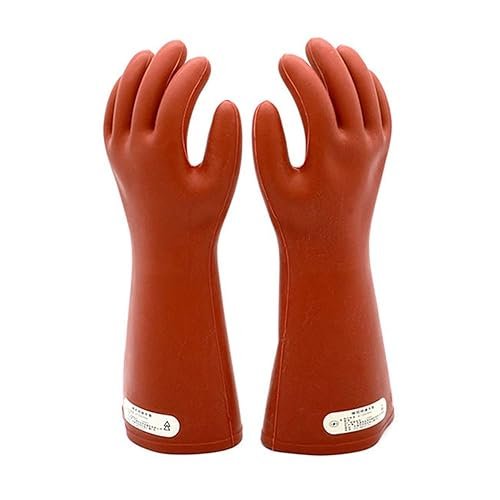
Electrical work is one of the most dangerous professions in the industrial world. Workers dealing with live electrical systems, power lines, circuits, and high-voltage equipment face serious risks every day. Even a small electrical accident can cause severe injuries or fatalities. This is why proper protective equipment is extremely important, especially electrical insulating rubber gloves.
Electrical insulating rubber gloves are specially designed safety gloves that protect workers from electric shock and electrical hazards. These gloves act as a barrier between the worker’s hands and live electrical currents, helping prevent accidents while improving workplace safety. They are widely used by electricians, utility workers, maintenance technicians, and electrical engineers around the world.
As industries continue to focus on safety regulations and worker protection, the demand for high-quality electrical insulating rubber gloves is increasing rapidly.
What Are Electrical Insulating Rubber Gloves?
Electrical insulating rubber gloves are protective gloves made from specially formulated rubber materials designed to resist electrical current. These gloves are tested and certified according to international safety standards to ensure reliable insulation against electrical hazards.
Unlike ordinary work gloves, electrical insulating rubber gloves are manufactured with high dielectric strength, allowing them to protect workers from dangerous voltage exposure. They are available in different voltage classes depending on the level of electrical protection required.
These gloves are often used together with leather protector gloves for additional mechanical protection against cuts, punctures, and abrasions.
Importance of Electrical Insulating Rubber Gloves
Electricity is invisible, making it one of the most dangerous workplace hazards. Workers handling electrical equipment are constantly exposed to risks such as electric shock, burns, arc flash, and short circuits.
Electrical insulating rubber gloves provide critical protection by preventing electrical current from passing through the hands and body. They reduce the chances of serious injuries and help workers perform tasks safely and confidently.
In many industries, the use of insulating rubber gloves is mandatory to comply with workplace safety regulations and electrical safety standards.
Features of High-Quality Electrical Insulating Rubber Gloves
Modern electrical insulating rubber gloves are designed with advanced safety features to provide maximum protection and comfort.
1. High Electrical Resistance
The gloves are manufactured using special rubber compounds that resist electrical current effectively.
2. Flexible Material
Despite their strong insulation properties, the gloves remain flexible to allow easy hand movement and precision work.
3. Durable Construction
High-quality gloves are resistant to wear, punctures, tearing, and aging.
4. Comfortable Fit
Ergonomic designs improve comfort during long working hours and reduce hand fatigue.
5. Smooth Finish
The smooth surface allows easy cleaning and inspection for damage.
6. Color-Coded Voltage Classes
Many insulating gloves are color-coded according to voltage protection levels for easy identification.
Voltage Classes of Electrical Insulating Rubber Gloves
Electrical insulating rubber gloves are classified according to the voltage levels they can safely handle. Different industries and applications require different glove classes.
Class 00 Gloves
Suitable for low-voltage applications up to 500 volts AC.
Class 0 Gloves
Provide protection up to 1,000 volts AC.
Class 1 Gloves
Designed for protection up to 7,500 volts AC.
Class 2 Gloves
Used for protection up to 17,000 volts AC.
Class 3 Gloves
Suitable for high-voltage work up to 26,500 volts AC.
Class 4 Gloves
Provide maximum protection up to 36,000 volts AC.
Selecting the correct glove class is essential for ensuring worker safety during electrical operations.
Benefits of Using Electrical Insulating Rubber Gloves
Electrical insulating rubber gloves offer many advantages for workers and industries.
Protection Against Electric Shock
The primary benefit is protection from dangerous electrical currents and accidental contact with live equipment.
See also: Why Payroll Outsourcing Companies Help Businesses Improve Efficiency
Improved Workplace Safety
Using proper insulating gloves reduces workplace accidents and injuries.
Enhanced Worker Confidence
Workers can perform electrical tasks more safely and efficiently with reliable hand protection.
Compliance with Safety Standards
Many industries require insulating gloves to meet occupational safety regulations.
Flexibility and Comfort
Modern gloves provide excellent dexterity while maintaining strong insulation properties.
Long-Term Durability
Properly maintained gloves offer long-lasting performance and reliable protection.
Applications of Electrical Insulating Rubber Gloves
Electrical insulating rubber gloves are used across many industries and work environments.
Electrical Maintenance
Electricians use insulating gloves while repairing or installing electrical systems.
Power Generation Industry
Utility workers handling power distribution equipment rely heavily on insulating gloves.
Construction Industry
Construction electricians use rubber gloves when working with electrical wiring and machinery.
Industrial Manufacturing
Factory technicians wear insulating gloves during machine maintenance and electrical inspections.
Telecommunications
Workers handling communication systems and electrical installations require proper insulation protection.
Renewable Energy Sector
Technicians working with solar panels and wind energy systems use insulating gloves for safety.
Materials Used in Electrical Insulating Rubber Gloves
The quality and safety of electrical gloves depend greatly on the materials used during manufacturing.
Natural Rubber
Natural rubber provides excellent electrical insulation and flexibility.
Synthetic Rubber
Synthetic materials improve durability, resistance to chemicals, and environmental performance.
Latex Compounds
Latex offers flexibility and comfort while maintaining strong insulation properties.
Leather Protectors
Leather outer gloves are often worn over rubber gloves to prevent mechanical damage.
Proper Use of Electrical Insulating Rubber Gloves
Correct usage is essential for maintaining glove effectiveness and worker safety.
Inspect Before Use
Always check gloves for cuts, holes, cracks, or punctures before wearing them.
Air Test the Gloves
Workers often perform an air inflation test to identify leaks or hidden damage.
Wear Leather Protectors
Leather protector gloves help prevent physical damage to the rubber gloves.
Keep Gloves Clean
Clean gloves regularly to remove oils, dirt, and contaminants.
Store Properly
Store gloves in a cool, dry place away from direct sunlight and chemicals.
Follow Testing Schedules
Electrical gloves should undergo regular testing according to safety standards.
Maintenance and Inspection of Electrical Gloves
Routine maintenance is critical for ensuring long-term glove performance and electrical safety.
Regular Cleaning
Use approved cleaning methods to maintain insulation quality.
Periodic Electrical Testing
Insulating gloves should be tested at regular intervals to confirm electrical resistance.
Avoid Sharp Objects
Protect gloves from punctures, cuts, and excessive stretching.
Replace Damaged Gloves
Immediately replace gloves showing signs of wear or damage.
Growing Demand for Electrical Insulating Rubber Gloves
As industries continue to expand and modernize electrical systems, the need for reliable electrical safety equipment is increasing. Governments and organizations worldwide are enforcing stricter workplace safety regulations, driving demand for certified electrical insulating rubber gloves.
Manufacturers are also improving glove technologies by developing lighter, more flexible, and more durable insulating gloves that provide better comfort without reducing safety performance.
Conclusion
Electrical insulating rubber gloves are one of the most important safety tools for workers exposed to electrical hazards. Their ability to protect against electric shock, improve workplace safety, and support efficient electrical work makes them essential across many industries.
Whether used by electricians, utility workers, maintenance technicians, or industrial professionals, these gloves provide reliable protection in dangerous electrical environments. Investing in high-quality electrical insulating rubber gloves helps reduce workplace accidents, improve productivity, and ensure long-term worker safety.