Introduction
Choosing the right ground cover is essential for effective weed control and long-term soil performance. Many homeowners and professionals compare geotextile vs weed mat to determine which material offers better durability and efficiency. Both options are widely used in landscaping, but they differ in strength, drainage, and lifespan. Understanding these differences can help you select the most suitable solution for your project.
What Is Geotextile?
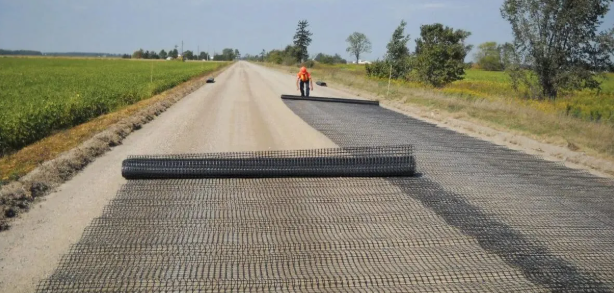
Geotextile is a permeable synthetic fabric designed for soil stabilization, filtration, and drainage. It is commonly used in both construction and landscaping applications.
Key Features
- High strength and durability
- Excellent water permeability
- Long lifespan
- Suitable for heavy-duty applications
Geotextile is ideal for projects where long-term stability is required.
What Is a Weed Mat?
A weed mat is a lightweight material used mainly to block sunlight and prevent weed growth. It is commonly used in garden and decorative landscaping areas.
Key Features
- Blocks sunlight to stop weed growth
- Easy to install
- Affordable option
- Suitable for light-duty use
Weed mats are effective for simple weed control but may not provide long-term durability.
Geotextile vs Weed Mat: Key Differences
Understanding the differences between these materials is important when making a decision.
Strength and Durability
Geotextile is stronger and more durable, making it suitable for heavy loads. Weed mats are lighter and may degrade faster over time.
Drainage Capability
Geotextile allows water to pass through easily, improving drainage. Weed mats may restrict water flow depending on their quality.
Lifespan
Geotextile generally lasts longer, while weed mats may require replacement more frequently.
Application Areas
- Geotextile: Driveways, roads, drainage systems
- Weed mat: Garden beds, decorative landscaping
When to Use Geotextile
Geotextile is the best choice for projects that require strength and long-term performance.
Recommended Uses
- Road construction
- Driveways
- Drainage systems
- Heavy landscaping projects
When to Use Weed Mat
Weed mats are suitable for projects where cost and simplicity are priorities.
See also: How to Improve Business Productivity
Recommended Uses
- Flower beds
- Vegetable gardens
- Decorative areas
Benefits of Choosing the Right Material
Improved Performance
Selecting the correct material ensures better results and durability.
Reduced Maintenance
The right choice minimizes repairs and upkeep.
Cost Efficiency
Investing in the appropriate material reduces long-term expenses.
Learn More About Material Comparison
For a deeper understanding of performance and application differences, you can explore geotextile vs weed mat solutions designed for effective weed control and soil stability.
Common Mistakes to Avoid
Avoid using weed mats for heavy-duty applications, ignoring drainage requirements, selecting low-quality materials, or installing incorrectly, as these can reduce effectiveness.
FAQs
Which is better, geotextile or weed mat?
Geotextile is generally better for durability and drainage, while weed mats are suitable for lighter applications.
Can weed mats be used under driveways?
No, weed mats are not strong enough for heavy loads; geotextile is recommended.
How long does geotextile last?
High-quality geotextile can last for many years depending on conditions and installation.
Conclusion
When comparing geotextile vs weed mat, the right choice depends on your project requirements. Geotextile offers superior strength, durability, and drainage, making it ideal for construction and heavy landscaping. Weed mats are better suited for simple gardening applications. By understanding these differences and selecting the appropriate material, you can achieve long-lasting performance, reduced maintenance, and better overall results for your outdoor projects.