Early childhood is a critical stage for language development, social interaction, and cognitive growth. During these formative years, children absorb information rapidly and develop communication skills that shape future learning experiences. As parents increasingly value multilingual education and global learning opportunities, enrolling children in a bilingual playgroup has become a popular choice for supporting early childhood development.
Bilingual playgroups combine interactive learning activities with exposure to multiple languages in a fun and supportive environment. These programs encourage children to build confidence, creativity, communication skills, and social awareness while developing familiarity with more than one language from an early age.
The Importance of Early Language Development
Young children naturally learn languages through listening, observation, and interaction. Early exposure to multiple languages can support cognitive growth and communication abilities.
A quality bilingual playgroup helps children:
- Improve communication skills
- Develop social confidence
- Strengthen listening abilities
- Encourage creativity
- Build early language awareness
These experiences help children become more comfortable in interactive and multicultural learning environments.
Today, many parents choose a trusted bilingual playgroup to provide children with engaging and language-rich early learning opportunities.
Benefits of Joining a Bilingual Playgroup
Bilingual playgroups offer several advantages that support both educational and personal development.
Early Language Exposure
Children are introduced to multiple languages naturally through songs, storytelling, games, and daily interaction.
Improved Cognitive Development
Research suggests that early bilingual learning may support memory, problem-solving, and critical thinking skills.
Enhanced Communication Skills
Regular interaction in different languages helps children improve listening, speaking, and comprehension abilities.
Greater Cultural Awareness
Bilingual environments expose children to diverse cultures and perspectives from an early age.
What Happens in a Bilingual Playgroup?
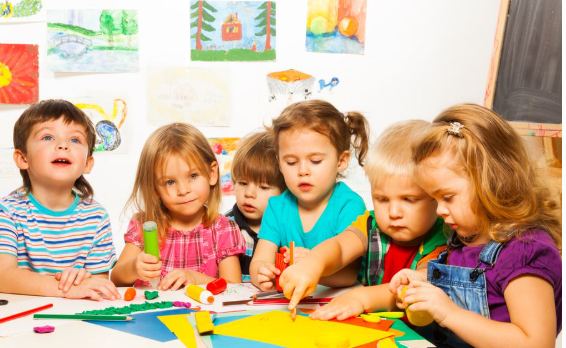
Modern bilingual playgroups include structured and creative activities designed to encourage participation and learning.
Music and Movement Activities
Songs and movement exercises introduce language patterns while improving coordination and participation.
Storytelling Sessions
Interactive storytelling helps children build vocabulary and listening skills in multiple languages.
Creative Play
Art projects, role-playing, and sensory activities encourage imagination and self-expression.
Group Interaction
Children learn teamwork, cooperation, and communication through shared experiences.
The Role of Play-Based Learning
Play-based education is widely recognized as one of the most effective methods for early childhood development.
Encouraging Curiosity
Interactive activities help children explore new ideas and develop problem-solving abilities.
Supporting Emotional Growth
Group participation encourages confidence, independence, and emotional expression.
Building Social Skills
Children learn how to communicate, share, and interact positively with peers.
How Bilingual Playgroups Prepare Children for Preschool
Bilingual playgroups provide a gentle introduction to more structured learning environments.
Classroom Readiness
Children become familiar with routines, instructions, and group activities.
Improved Communication Confidence
Exposure to multiple languages helps children feel more comfortable expressing themselves.
Developing Independence
Children gradually adapt to participating in activities away from home settings.
Importance of Parent Participation
Many bilingual playgroups encourage parents to participate in learning activities.
Strengthening Parent-Child Bonding
Interactive participation helps strengthen emotional connections between parents and children.
Supporting Learning at Home
Parents can continue language development and educational activities outside the classroom.
Understanding Developmental Progress
Parents can observe social, emotional, and communication growth firsthand.
The Growing Demand for Bilingual Education
Globalization and multicultural learning opportunities have increased interest in bilingual early childhood programs.
Advantages of Multilingual Skills
Early language exposure may support future academic and communication success.
Global Learning Opportunities
Bilingual education helps children adapt more easily to diverse educational environments.
Increased Cultural Awareness
Children learn to appreciate different languages and cultural experiences.
Future Trends in Bilingual Early Childhood Education
The early childhood education sector continues evolving to meet changing family expectations.
See also: PTSD Hong Kong: Effective Approaches for Trauma Recovery and Mental Wellness
Technology Integration
Some programs are incorporating age-appropriate educational technology and digital learning tools.
Personalized Learning Approaches
Modern programs increasingly focus on individual developmental needs and learning styles.
Holistic Child Development
Schools are placing greater emphasis on emotional, social, physical, and cognitive growth together.
Why Choosing the Right Bilingual Playgroup Matters
A quality bilingual playgroup provides much more than language exposure. It creates a nurturing environment where children can develop communication skills, social confidence, and curiosity through interactive learning experiences.
As parents continue prioritizing early childhood education and multilingual learning opportunities, choosing the right playgroup has become an important step in supporting healthy development and future academic readiness.
FAQs
What is a bilingual playgroup?
A bilingual playgroup is an early childhood program where children participate in learning activities using two languages in an interactive and play-based environment.
What are the benefits of bilingual learning for children?
Bilingual learning may improve communication skills, cognitive development, cultural awareness, and future academic opportunities.
At what age can children join a bilingual playgroup?
Many bilingual playgroups are designed for children between 6 months and 3 years old, depending on the program structure.
Conclusion
Early childhood learning experiences play an important role in shaping communication abilities, confidence, and future educational success. Joining a bilingual playgroup allows children to explore, interact, and develop language skills in a supportive and engaging environment.
Through play-based learning, creative activities, and multilingual exposure, children gain valuable experiences that support cognitive, emotional, and social growth.
Investing in quality bilingual early education can help children build strong communication foundations, improve cultural awareness, and develop a lifelong love for learning.